Have you ever stood at the foot of Mont-Saint-Michel and wondered what lies beyond the tide-washed causeway? Most visitors focus on the abbey’s soaring silhouette, but the true magic often unfolds in the quieter corners of the surrounding bay. Away from the main street’s crowds, centuries-old traditions, hidden landscapes, and living heritage shape a region where Norman and Breton roots intertwine. This guide dives into the lesser-known gems that bring the area’s story to life - and where to base yourself for a deeper, calmer experience.
A comparison of key attractions around the Bay
While Mont-Saint-Michel itself draws millions, the towns and sites encircling the bay offer a richer, more layered understanding of the region. From medieval manuscripts to working windmills, each destination contributes a unique thread to the cultural fabric. For those seeking the perfect base to explore the region, finding a comfortable campsite near Mont-Saint-Michel allows you to enjoy both nature and heritage. Nestled along the Couesnon River, such locations provide easy access to these diverse spots without the need to rush back through evening traffic.
Tourist flow peaks between June and September, and popular sites like Saint-Malo or Avranches can feel crowded. Planning visits early in the day or during shoulder seasons makes a real difference in comfort and immersion. Most attractions are within a 30- to 50-minute drive from the Mount, making day trips entirely feasible - especially with a reliable starting point in the countryside.
Proximity and cultural value
The towns around the bay are not just scenic stops - they’re cultural anchors. Avranches, perched on a hillside, once served as a spiritual and administrative hub linked closely to the Mount. Saint-Malo, though further north, embodies the maritime daring of the region. These places offer more than photo opportunities; they provide context for how the bay shaped trade, religion, and daily life for centuries.
Seasonal accessibility factors
High tides, summer festivals, and school holidays all influence how and when you experience these sites. Some coastal paths or guided bay crossings may be limited during winter, while summer brings longer opening hours - and more people. Allowing flexibility in your itinerary helps you adapt to local rhythms and avoid bottlenecks.
| Attraction Name | Distance from the Mount | Main Interest |
|---|---|---|
| Moidrey Windmill | 15 km | Traditional craftsmanship |
| Avranches Scriptorial | 12 km | History & manuscripts |
| Saint-Malo | 45 km | Coastal history & fortifications |
| Ecomuseum of the Bay | 20 km | Nature & tidal ecosystem |
| Villedieu-les-Poêles | 50 km | Artisan metalwork |
Step back in time at the Avranches Scriptorial
Perched above the bay with sweeping views, the Scriptorial in Avranches is a quiet powerhouse of medieval history. This museum houses a remarkable collection of manuscripts once safeguarded by the monks of Mont-Saint-Michel. During the French Revolution, these fragile texts were evacuated to avoid destruction - a decision that preserved some of the most important illuminated works in Europe.
What sets the Scriptorial apart is how it brings ancient knowledge to life. Interactive displays allow visitors to “turn” virtual pages of 9th-century Gospel books, zoom into intricate calligraphy, and even hear Latin passages read aloud. These tools make the content accessible without risking damage to the originals, which are stored in climate-controlled archives.
The museum also features reconstructions of monastic scriptoria, giving a tangible sense of how painstakingly books were copied by hand. Outside, the adjacent botanical garden offers a peaceful walk with panoramic views of the bay - a perfect way to reflect on how knowledge and landscape have shaped each other here for over a thousand years.
The rural charm of the Moidrey Windmill
Just a short drive from the Mount, the Moidrey Windmill stands as a testament to rural resilience. Built in the 19th century, this stone tower still operates using its original wooden mechanisms, grinding local wheat into organic flour. Unlike restored attractions that exist for show, Moidrey is a working mill where tradition meets daily practice.
Traditional flour production
Visitors can watch the miller at work, adjusting the sails to catch the wind and feeding grain into the millstones. The process is slow and deliberate - a far cry from industrial milling. The resulting flour, sold on-site, carries the taste of regional terroir. It’s a reminder that some of the best things in life aren’t rushed.
A balcony overlooking the salt marshes
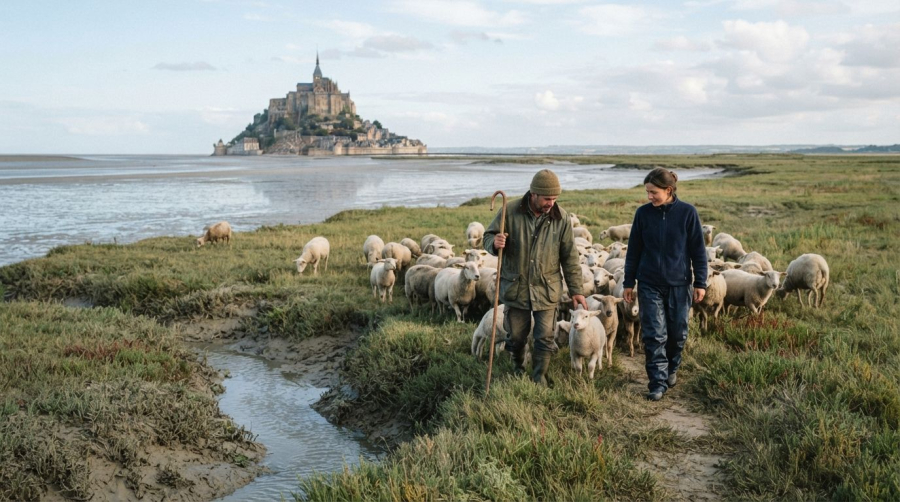
Situated on the edge of the Polders, the windmill offers a quiet vantage point over the salt marshes. Herds of salt-marsh sheep graze in the distance, their presence helping to maintain the delicate ecosystem. The air is still, the only sounds the creak of the sails and the call of wading birds. Compared to the bustling main street of the Mount, this is slow tourism at its most authentic.
Discovering the Ecomuseum of the Bay
Nestled in the village of Genêts, the Ecomuseum of the Bay offers families and nature lovers a hands-on introduction to one of France’s most dynamic landscapes. Rather than focusing solely on history, it explains how the bay functions - from its legendary tides to the centuries-old practice of salt harvesting.
Understanding the ecosystem
Interactive exhibits detail the life cycles of local species, from fiddler crabs to migratory birds. One display recreates the experience of walking through a salt marsh, complete with soundscapes and soil textures. Children can try their hand at raking salt by hand, gaining appreciation for the labor behind the famed “fleur de sel.”
Guided walks in the quicksand
One of the museum’s standout offerings is organizing guided crossings of the bay with certified marsh guides. These walks start from Vains-Saint-Léonard and follow safe, marked routes across the tidal flats. Participants learn to read the landscape - spotting quicksand zones, understanding tidal patterns, and recognizing animal tracks. Safety is paramount, and no one is allowed to cross without a guide. It’s an unforgettable way to experience the bay’s power and fragility firsthand.
The copper heritage of Villedieu-les-Poêles
Few towns in France have clung to a single craft as passionately as Villedieu-les-Poêles. For over 800 years, this “Village d’Art” has been synonymous with copper work. Its narrow streets echo with the rhythmic hammering of artisans shaping pots, pans, and even church bells.
Artisan workshops and bell founding
The town is home to one of the last traditional bell foundries in Europe. Watching molten metal poured into sand molds is a dramatic sight - and hearing the first chime of a newly forged bell is unforgettable. Visitors can tour workshops, see demonstrations, and purchase handcrafted copper items that will last generations.
Walking through medieval courtyards
Beyond the forges, Villedieu reveals hidden courtyards, half-timbered houses, and quiet squares untouched by mass tourism. It’s the kind of place where you can wander without a map and still feel like you’re discovering something real. The pace is slow, the welcome genuine - a refreshing contrast to more commercialized destinations.
Outdoor adventures beyond the ramparts
For those who want to stretch their legs and breathe in the coastal air, the region offers plenty of ways to stay active without sacrificing charm. Whether you’re traveling with family or seeking solitude, the landscape invites exploration.
Cycling the greenways
The Véloscénie route, a well-maintained greenway, runs close to the Couesnon River and connects key sites in a flat, safe corridor ideal for all ages. Biking here means passing through meadows, crossing small stone bridges, and stopping at farm stands for fresh cider or cheese. It’s a relaxed way to see the countryside at your own pace.
Island hopping to Chausey
From the port of Granville, boat trips depart daily to the Chausey archipelago - a cluster of 52 granite islets and sandbars mostly uninhabited. The main island boasts white-sand beaches and crystal-clear water, often compared to the Caribbean. Hiking trails loop around the coast, and the silence is broken only by gulls and waves. It’s a true escape, even in high season.
- Biking along the Couesnon River on the Véloscénie greenway
- Visiting a local cider farm for tastings and orchard tours
- Taking a guided bay crossing with a certified marsh guide
- Tasting lamb raised on salt-marsh pastures - a regional specialty
- Exploring the aquarium in Granville, especially popular with children
Frequently Asked Questions
Is it better to stay in a hotel or a campsite near the bay?
It depends on your travel style. Hotels offer convenience and services, but a campsite near Mont-Saint-Michel gives you closer contact with nature and more space, especially for families. Many modern campsites provide comfort comparable to hotels, with clean facilities and quiet settings. Staying in a natural environment also makes early or late visits to the Mount more manageable.
How has technology improved the visit to the Abbey recently?
Digital tools have made the experience richer and more accessible. Visitors can now rent audio guides with augmented reality features that reconstruct how the abbey looked in the Middle Ages. Some exhibits use tablets to zoom into architectural details or play dramatized readings of historical texts. These additions help bring the site’s layered history to life without altering the monument itself.
What should I know before my first trip to the salt marshes?
The salt marshes are beautiful but unpredictable. Tide schedules are critical - getting caught by a rising tide can be dangerous. Always check local forecasts and never cross the bay without a certified guide. Wear sturdy, waterproof footwear, as the ground can be slippery. And keep an eye out for wildlife; the area is home to birds, crabs, and grazing sheep.
What can I do after visiting the Mount to avoid the crowds?
Head to quieter villages like Roz-sur-Couesnon or Pontorson for a peaceful walk or meal. Sunset views from the Couesnon River banks are stunning and rarely crowded. You could also visit a local farm, explore a small museum, or simply relax at your accommodation. Slowing down after the Mount’s intensity is often the most rewarding choice.
