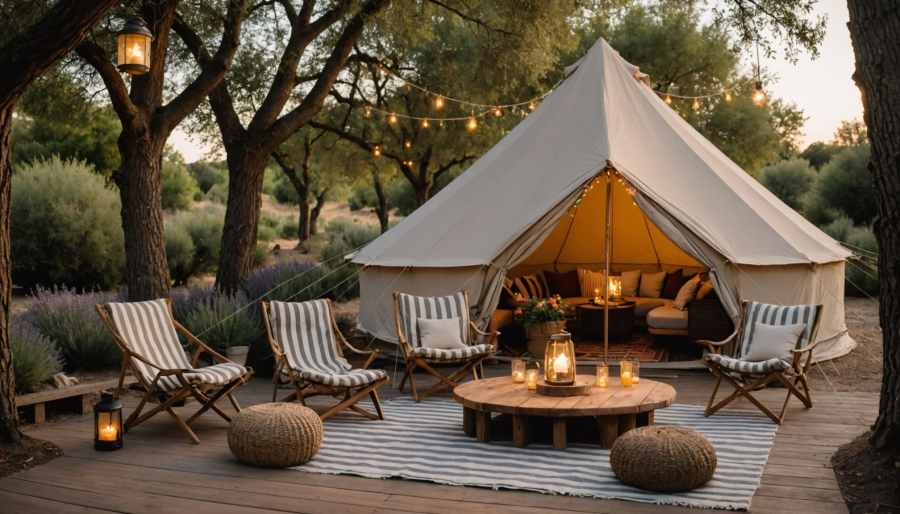
The scent of a morning brew near a canvas tent, paired with birdsong at first light-these are the quiet moments that take us back to childhood summers, simple and full of wonder. Back then, we often traded comfort for adventure, sleeping on thin mats with damp sleeping bags. Today, that nostalgia is being reimagined. Glampingkeeps the magic of the outdoors but removes the hardship. It’s not about roughing it-it’s about returning to nature without leaving behind a good mattress or a hot shower. This shift isn't just about luxury; it’s about intention. More travelers are stepping away from the noise, seeking stays that align with a slower, more mindful rhythm.
The art of glamorous camping across the French landscape
France has become a hotspot for travelers who want to immerse themselves in nature without compromising on comfort. The rise of glamping here isn’t just a trend-it reflects a deeper cultural pivot. People aren’t just booking vacations; they’re curating experiences rooted in authenticity, sustainability, and connection. Instead of sprawling resorts, they choose sites nestled in forests, near rivers, or at the foot of ancient volcanoes. These destinations promise more than a bed-they offer a way to slow down. If you want to experience the charm of outdoor life without sacrificing your comfort, you should look for a specialist in Glamping in France.
A shift toward slow tourism and nature
Modern travelers are increasingly drawn to what’s known as slow tourism-a deliberate move away from packed itineraries and toward presence. This mindset favors small, carefully managed sites over mass tourism hubs. Eco-conscious stays are no longer a niche; they’re a priority. Choosing a site that emphasizes ecological integration means enjoying serenity, fresh air, and a smaller footprint. These places often feel hidden, tucked into landscapes where the only sounds are wind and water.
Authentic comfort in unusual accommodations
Glamping is defined as much by its setting as by its amenities. You might wake up in a safari lodge with floor-to-ceiling mesh windows, or sleep in a cabin perched on stilts above a meadow. These structures aren’t just placed in nature-they’re designed to complement it. Interiors feature high-quality bedding, private terraces, and subtle design touches that elevate the experience. The result? A stay that feels both adventurous and refined.
Sustainability as a core value
One of the most transformative aspects of premium glamping is the commitment to sustainability. Many top sites operate as car-free zones, preserving peace and air quality. Paths are walked, not driven on. Resources like water and energy are managed through permaculture and renewable systems. On-site gardens supply herbs and vegetables, often grown using natural cycles. This isn’t just marketing-it’s a holistic approach that shapes the guest experience from arrival to departure.
- High-end bedding and private outdoor spaces
- Seamless integration into local flora and terrain
- Eco-responsible practices like waste reduction and solar power
- Unique architectural designs rooted in local materials
- Wellness offerings such as yoga and guided nature walks
Choosing the right glamping experience for your needs
Not all glamping is created equal. The experience you choose should align with your travel style, whether you're looking for family-friendly fun or a romantic escape. Some sites cater to couples seeking silence and intimacy, with secluded lodges and candlelit dinners under the stars. Others, designed for families, feature safe play areas and group activities that gently introduce children to the outdoors. The key is matching the site's vibe to your expectations.
Family-friendly vs romantic getaways
Families often benefit from accommodations with multiple rooms or private bathrooms, along with easy access to low-impact activities. Sites offering canoeing, nature trails, or gentle accrobranche (treetop obstacle courses) make outdoor engagement feel natural and fun. For couples, the appeal lies in intimacy-wooden cabins with large windows facing forests, private fire pits, and in-house massages. The difference often comes down to atmosphere: lively versus tranquil.
Location and regional diversity
France’s diverse geography means glamping options vary widely. In the Auvergne, you’ll find sites near dormant volcanoes and rolling pastures, ideal for hikers and stargazers. Along the coast, glamping might mean waking up to the sound of waves just steps from your tent. Proximity to regional parks or UNESCO sites adds cultural depth. Accessibility matters too-many top-rated sites are within a two-hour drive from major cities, making weekend escapes realistic.
Wellness and outdoor activities
Today’s glamping often replaces loud evening entertainment with meaningful connection. Think guided yoga at sunrise, storytelling around a fire, or mindfulness walks. Some sites feature heated outdoor pools or indoor relaxation basins, blending comfort with nature. Activities are curated to deepen immersion: foraging workshops, birdwatching, or stand-up paddleboarding on quiet lakes. This shift reflects a broader preference for well-being over entertainment.
| Accommodation Type | Ideal For | Key Comfort Feature |
|---|---|---|
| Safari Lodge | Adventure seekers & families | Spacious layout with private deck |
| Wooden Cabin on Stilts | Couples & nature lovers | Seclusion and forest views |
| Vintage Caravan | Travelers on a budget with nostalgia | Charming interior with modern amenities |
Practical considerations for a hassle-free stay
Glamping may look effortless, but a smooth experience starts with planning. One of the first things to consider is your budget. While glamping is more expensive than traditional camping, it’s often more affordable than a boutique hotel-and you get more space, privacy, and direct access to nature. That said, prices vary. Peak summer months command premium rates, while late spring or early autumn stays can offer better value without sacrificing weather or service.
Setting a realistic budget for luxury
High-end glamping accommodations often include linens, kitchenware, and even welcome baskets with local food. Some even offer concierge-style services like guided tours or breakfast delivery. These extras justify higher nightly rates, which can range from 120 to over 300 €. However, off-season bookings or weekday stays can reduce costs significantly. It’s worth checking if longer stays come with discounts-many sites encourage slow travel by rewarding extended visits.
Packing for a glamping trip
Since most glamping sites provide essentials like bedding, towels, and cooking equipment, you can pack light. Focus on outdoor gear: sturdy footwear, weather-appropriate layers, and insect repellent. Remember that many of these places are car-free-you’ll likely park your car at the entrance and walk to your accommodation. That makes bulky luggage impractical. A medium-sized backpack or rolling bag is usually enough.
Booking and seasonal availability
Because premium sites have limited capacity, booking several weeks or even months in advance is often necessary-especially for summer or holiday weekends. Many eco-camps also follow seasonal openings, aligning with nature’s rhythms. Some close during winter, while others remain open year-round but with reduced services. For a quiet escape without crowds, aim for May, September, or early October. You’ll find milder weather and a more intimate atmosphere.
Frequently asked questions about glamping in France
Are there specific extra costs for electricity or water at these luxury sites?
Most high-end glamping sites include utilities like electricity, water, and heating in the base rate. Some eco-conscious locations use smart meters to encourage mindful usage, but guests aren’t typically charged extra unless consumption is excessive. Always check the rental details to confirm what’s included.
What happens in case of extreme weather conditions in a canvas lodge?
Premium canvas lodges are built with durable, weatherproof materials designed to withstand wind, rain, and temperature shifts. They’re often elevated and secured with strong anchoring systems. In rare cases of severe weather, hosts provide alternative shelter or safety instructions. Safety is a priority, especially in remote locations.
Do glamping accommodations offer the same insurance and cancellation guarantees as hotels?
Most reputable glamping sites operate under rental contracts that include cancellation policies, often with flexible options if booked directly. While they may not offer hotel-style insurance by default, travel insurance is recommended. Always review the terms before confirming your stay.
