Will you pass on the tradition of wild Mediterranean escapes to the next generation? For decades, families have returned to the Giens Peninsula and the Golden Isles to share sun-drenched rituals-early ferry crossings, bike rides under pine canopies, long lunches in village squares. These rhythms aren’t accidental. They’re rooted in a landscape where nature remains untamed, yet deeply welcoming. This guide explores Porquerolles, Port-Cros, and the salt-sprayed trails of Giens not just as destinations, but as living experiences along the Var coast.
Navigating the Giens Peninsula and the Hyères Archipelago
The Giens Peninsula is unlike any other stretch of French coastline. Connected to the mainland by a rare double tombolo-two narrow sandbars flanking a central lagoon-it feels like a natural bridge between Provence and the sea. As you cross toward the southern tip, the air changes: lighter, sharper, carrying the scent of garrigue and brine. This is where the rhythm of island life begins, even before you set foot on a boat.
Ferries depart regularly from La Tour Fondue, the peninsula’s southernmost point, offering direct access to both Porquerolles and Port-Cros. The crossing to Porquerolles takes about 20 minutes, while Port-Cros lies slightly farther, reachable in under 40. These trips are more than transport-they mark a transition. The moment the mainland fades, you enter a protected zone governed by the Port-Cros National Park, one of Europe’s earliest marine reserves. Exploring such prestigious destinations often sparks a deeper interest in the local lifestyle and how the Var property market remains a benchmark for high-end coastal living. Whether you're visiting or considering a longer connection to the region, the peninsula serves as both gateway and revelation.
Comparing the Experiences: Porquerolles vs Port-Cros
Choosing Your Island Atmosphere
Though both islands fall within the same national park, their characters couldn’t be more distinct. One invites leisure and exploration; the other demands respect and stamina. Understanding these differences helps match your expectations with the right destination.
| Island Name | Main Vibe (Family / Wild) | Top Activity | Accessibility |
|---|---|---|---|
| Porquerolles | Family-friendly, relaxed | Biking, beach-hopping, wine tasting | Regular ferries, bike rentals on site |
| Port-Cros | Wild, remote, pristine | Hiking, diving, birdwatching | Limited ferries, no vehicles, rugged terrain |
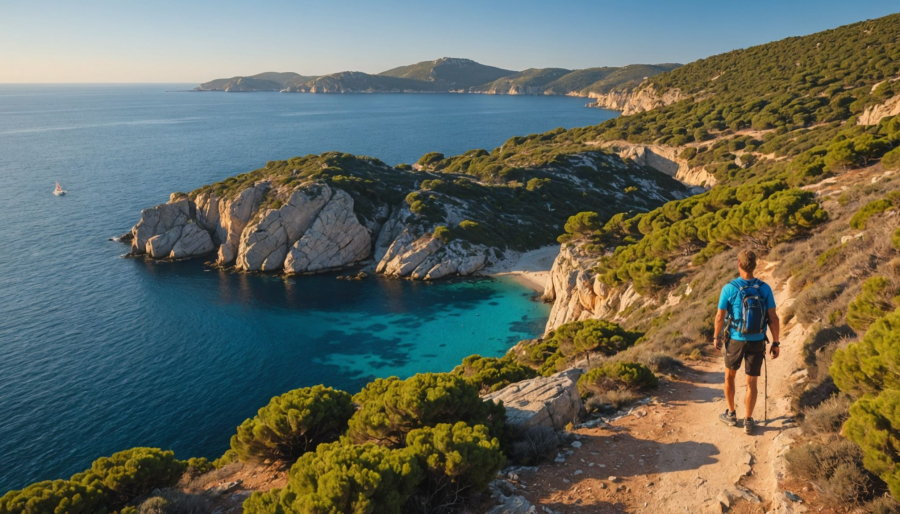
Porquerolles offers paved paths, a lively harbor, shaded picnic areas, and even a small vineyard producing rosé that captures the island’s terroir. It’s ideal for families or those wanting flexibility. Port-Cros, by contrast, has no roads, no shops, and only a handful of marked trails cutting through dense maquis. Its silence is profound. Divers come here for the underwater trail at Palud beach, where groupers and coral thrive undisturbed. Choose Porquerolles for immersion with comfort. Choose Port-Cros for immersion with intensity.
Porquerolles: A Mediterranean Jewel for Explorers
Cycling Through Pine Forests
One of the first things you’ll notice on Porquerolles: the absence of cars. With no private vehicles allowed, the island moves at the pace of bicycles and hiking boots. Renting a bike at the harbor is essential-and effortless. Within minutes, you’re gliding down sandy tracks lined with stone pines, their branches filtering sunlight into dappled patterns.
The ride to Plage d’Argent takes about 20 minutes. Along the way, eucalyptus perfumes the air, cicadas hum in the heat, and the occasional deer darts across the path. This isn’t a curated resort experience. It’s raw, aromatic, alive. And when you reach the beach, the reward is immediate: fine white sand, turquoise water, and space. Even in high season, the cove spreads wide enough to find solitude.
Vineyards and Turquoise Waters
While most visitors head west for the beaches, the island’s heart beats in its agricultural past. The Fondation Folon oversees much of the land now, preserving both ecology and heritage. That includes the island’s five vineyards, which produce a crisp, mineral-driven rosé and robust reds from native grapes like Calitor and Tibouren.
A visit to the main village center reveals this blend of culture and climate. Stone buildings with shutters painted in faded blue or ochre stand beside open-air markets selling honey, olives, and freshly caught sea bream. To the north, secluded coves like Plage Notre-Dame offer snorkeling in translucent water, while inland fields grow lavender and capers in salty soil. It’s a rare balance-fertile yet fragile, cultivated yet wild.
The Southern Cliffs and Lighthouse
For those seeking elevation and quiet, the southern coast delivers. The trail to the Cap des Mèdes lighthouse climbs gently over limestone outcrops, offering panoramic views of the archipelago. From here, you can spot the silhouette of Port-Cros across the channel and watch fishing boats trace slow arcs toward Hyères.
This side of the island sees fewer visitors. The terrain is rougher, the wind stronger, the vegetation sparser. But that’s the point. It’s where the Mediterranean asserts itself-not as a postcard, but as a force. On clear days, Corsica appears like a mirage on the horizon. Standing there, with the sea roaring below, you understand why so many return year after year: it’s not just beauty, it’s belonging.
Port-Cros and the Presqu'île: Untamed Nature
Hiking the Coastal Paths of Giens
Before you even cross to the islands, the Giens Peninsula offers its own journey. The Sentier du Littoral traces the eastern edge of the tombolo, linking Almanarre Beach to the salt marshes near Le Niel. This 5-kilometer trail winds through protected dunes, where juniper and sea fennel take root in shifting sands.
What makes it special? The view. At nearly every bend, you see the islands floating in the distance-Porquerolles broad and green, Port-Cros jagged and dark. To the east, flamingos gather in the saline wetlands, their pink feathers glowing at sunrise. Kitesurfers dance over Almanarre’s waves in the afternoon wind. The path is flat, accessible, and deeply peaceful-a reminder that some of the best coastal walks begin just steps from the mainland.
Underwater Adventures in the National Park
Port-Cros isn’t just a haven above water. Beneath the surface, it hosts one of the most biodiverse marine zones in the Mediterranean. The snorkeling trail at Palud beach guides swimmers along a marked route, with plaques identifying species like noble pen shells, dusky groupers, and red coral.
This protection dates back to 1963, when Port-Cros became part of France’s first marine national park. Today, strict rules limit anchoring, fishing, and diving to preserve the ecosystem. The result? Underwater forests of posidonia meadows stretching for kilometers, serving as nurseries for countless fish. For experienced divers, the drop-offs near Château Olbius offer encounters with octopus, conger eels, and even occasional monk seals. It’s not an amusement park. It’s a sanctuary-and that’s what makes it unforgettable.
Essential Tips for a Successful Var Coast Excursion
Logistics and Timing
Even in late spring or early autumn, ferries fill quickly. Booking ahead ensures a stress-free departure, especially if you're traveling with bikes or a group. Arrive at La Tour Fondue early-parking is limited, and spaces disappear by 9:30 a.m. during peak months.
Once on the islands, timing matters. Aim to reach major beaches by mid-morning to secure shade. Return ferries often sell out by late afternoon, so check return schedules before heading inland.
Respecting the Protected Environment
These islands are preserved, not perfected. Smoking is prohibited, open fires are banned, and all waste must be carried back to the mainland. Staying on marked trails prevents erosion and protects nesting birds.
- Eco-friendly sunscreen (to protect marine life)
- Reusable water bottle (plastic bottles are discouraged)
- Comfortable walking shoes (sandals won’t suffice for trails)
- Snorkeling gear (masks and fins available for rent, but bring your own for fit)
- Sun hat and UV-protective clothing
- Physical map of the trails (cell service is unreliable)
Making the Most of the Mediterranean Lifestyle
Savoring Local Gastronomy
No visit is complete without a long lunch in the heart of Porquerolles village. Outdoor tables spill into the square, shaded by plane trees. The menu leans simple: grilled sardines, aioli with fresh vegetables, socca made from chickpea flour, and, of course, a carafe of local rosé. This isn’t fast food. It’s slow living-meals that stretch into hours, conversations that drift with the breeze.
The island’s wine cooperative opens in summer, offering tastings where you can sample vintages shaped by sea spray and sun-baked soil. It’s not about luxury; it’s about authenticity. Every bite tells the story of this place.
Sunset at the Almanarre Beach
End your day where the peninsula meets the sky. Almanarre Beach, on the western flank of Giens, turns golden in the late light. Kitesurfers perform aerial maneuvers as the wind picks up, their sails cutting sharp lines against the dusk. Locals stroll barefoot along the shore, dogs chasing waves, children building last-minute castles.
There’s a rhythm here, seasonal yet eternal. The kind of moment that makes you wonder: why wait for vacation? Why not live this way?
Planning for Multi-Day Stays
Most visitors come for the day. But staying overnight changes everything. After the final ferry departs, the islands exhale. The noise drops. The stars emerge-brighter without city lights. On Giens, a few boutique hotels and guesthouses offer quiet terraces overlooking the lagoon. On Porquerolles, renting a villa or booking a room in the village means waking up to silence, then watching the first boats arrive like ghosts in the mist.
It’s the difference between seeing and feeling. Between touring and belonging.
Frequently asked questions
Is Porquerolles or Port-Cros better for a first-time visit?
For most first-time visitors, Porquerolles is the ideal introduction. It offers greater accessibility, bike rentals, marked trails, and basic amenities like cafés and restrooms. The terrain is gentler, making it suitable for families and casual hikers. Port-Cros, while stunning, requires more preparation and physical effort due to its rugged paths and lack of services.
Are there any boat alternatives if the main ferries are fully booked?
Yes, private water taxis and small charter boats operate from Hyères and La Tour Fondue, especially during peak season. Some local operators offer shared shuttles or guided excursions to both islands. While more expensive than public ferries, they provide flexibility and can accommodate last-minute plans.
What should I know before my first bike ride on the island?
While many paths on Porquerolles are flat and sandy, some routes become rocky or uneven, especially near coastal trails. Opt for hybrid or mountain bikes rather than road models. Bring water, sun protection, and a repair kit-there are no bike shops beyond the harbor area. Rentals include helmets and locks, but confirm condition before departure.
